

In the ever-evolving landscape of Linux software, choosing the right tools can significantly enhance your productivity and workflow. Whether you are a developer, designer, system administrator, or security professional, this guide covers useful Linux applications across multiple categories.
System & Utilities
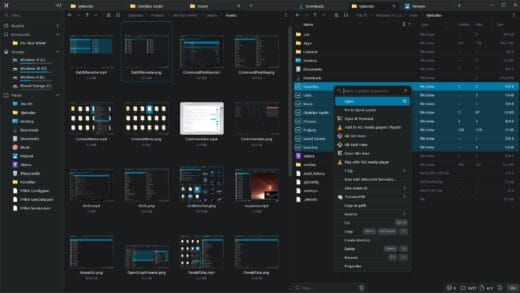
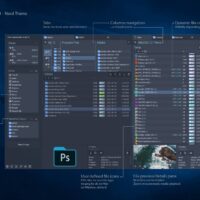
File managers: Nemo, Dolphin, and Thunar.
Terminal emulators: Alacritty, Kitty, and GNOME Console.
System monitoring: htop, btop, and GNOME Usage.
Backup: Timeshift and Hasleo Backup Suite.
Development & Coding
IDEs and editors: Visual Studio Code, JetBrains IDEs, Geany, Vim, Neovim, Kate, and Sublime Text.
Version control and containers: Git, GitKraken, LazyGit, Docker, Podman, and Lima.
Design & Creativity
Image editing: GIMP, Krita, and Inkscape.
Video: Shotcut, DaVinci Resolve, and OpenShot.
Audio and assets: Audacity, Ardour, Nora, and Eagle.
Productivity & Office
Obsidian, Joplin, Standard Notes, PDFgear, Okular, LibreOffice, ONLYOFFICE, Thunderbird, and HEY.
Security & Penetration Testing
Kali Linux, Metasploit, Nmap, Burp Suite, UFW, firewalld, and Wireshark.
Media & Entertainment
Nora, Clementine, Roon, VLC, MPV, SMPlayer, Tdarr, and Plex.
Power Tools & Utilities
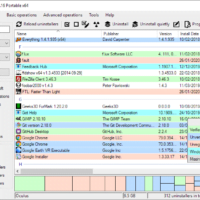
Bulk Crap Uninstaller, File Pilot, FFmpeg, and MiTeC Task Manager DeLuxe.
Conclusion
The Linux ecosystem in 2026 offers a wide range of applications for development, design, productivity, security, media, and system administration. Use the official links above to compare features, installation options, and platform support before choosing the tools that fit your workflow.